
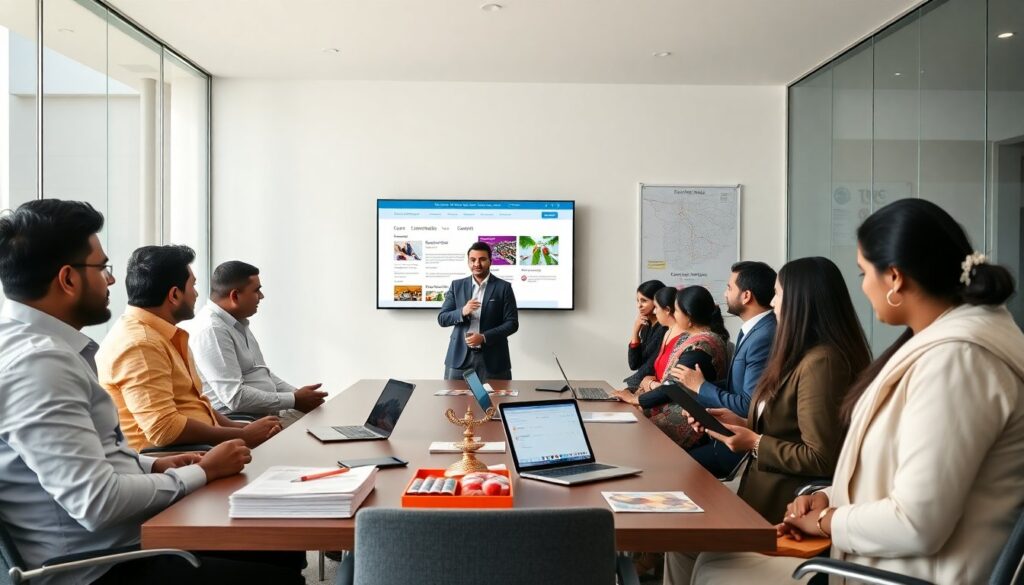
telugupalakkad . com serves as a hub for Telugu speakers in Palakkad. The site lists events, local news, and community resources. It links residents, cultural groups, and service providers. It helps newcomers learn where to find Telugu schools, temples, and food. It gives clear contact points and schedules. It aims to make local Telugu life easier and more visible.
Key Takeaways
- TeluguPalakkad.com serves as a comprehensive community portal connecting Telugu speakers in Palakkad with local events, resources, and cultural groups.
- The site features an easy-to-navigate directory including Telugu schools, temples, businesses, and language classes, supporting daily life and cultural engagement.
- An up-to-date events calendar and news briefs keep users informed about festivals, cultural programs, and community activities relevant to Telugu residents.
- Community members and organizers can actively contribute by submitting event details, updating listings, and sharing photos, fostering local participation.
- TeluguPalakkad.com offers multiple communication channels and printable materials to support both online and offline community connections.
- The site continuously improves through user feedback to remain a valuable resource tailored specifically for the Telugu community in Palakkad.
What TeluguPalakkad.com Is And Who It Serves
TeluguPalakkad.com is a community portal that focuses on Telugu people in Palakkad. The site collects practical information for residents and visitors. It lists local Telugu groups, language classes, festivals, and businesses. It targets Telugu families, students, professionals, and cultural organizers. It also helps non-Telugu residents who seek Telugu services or cultural introductions.
The site works as a local directory. It shows contact details, meeting times, and event locations. It highlights temples that follow Telugu rituals. It lists schools that teach Telugu language or culture. It identifies food vendors who cook Telugu specialties. It presents profiles of community leaders and volunteers.
The site uses clear labels and simple navigation. It updates event dates and contact information. It posts announcements from cultural groups. It publishes short reports on recent events. It keeps content compact so readers find answers quickly.
The audience gains direct value. A family moving to Palakkad finds Telugu schools and language tutors. A student finds local Telugu study groups and exam help. An organizer finds venues and volunteers. A business finds a target customer base. The site serves practical needs for daily life and cultural participation.
Key Features And Content You’ll Find On The Site
TeluguPalakkad.com offers several clear features. It provides an events calendar with festival dates, cultural programs, and language class schedules. It provides a business directory with Telugu-owned shops, caterers, and service providers. It provides a resources page with links to Telugu learning materials and civic services.
The events calendar shows festival names, dates, start times, and venues. It lists contact names and phone numbers. It flags whether events welcome families or require prior registration. It shows photos and short descriptions from past events.
The business directory gives names, addresses, phone numbers, and service details. It highlights food shops, sari stores, and ritual-item sellers. It shows user ratings and short reviews. It shows open hours and payment options when available.
The resources page includes Telugu classes, online lesson links, and recommended textbooks. It lists local temples and priests who use Telugu during rituals. It links to health clinics and lawyers who speak Telugu. It links to local government contacts and forms translated into Telugu when available.
The site also features news briefs. It posts short reports about local cultural achievements, community fundraisers, and school events. It posts calls for volunteers and donation drives. It publishes interviews with local Telugu artists and educators.
The site supports media. It hosts short videos of festivals and interviews. It posts photo galleries from cultural programs. It offers downloadable flyers that event organizers can print. It keeps file sizes small so the pages load fast.
The site uses clear categories and search filters. Visitors can search by category, date, area, or language support. The site offers a phone contact and an email for quick help. It includes a simple map view for event locations and business addresses.
How To Use, Contribute, And Connect With The Local Community
Visitors use TeluguPalakkad.com to find events and services fast. They search the calendar or the directory. They filter by date, category, or area. They click through to contact organizers or businesses. They save event dates to their calendars. They share event pages with family and friends.
Community members contribute content to keep the site current. They submit event details through a simple form. They list their organizations and services in the directory. They upload short photos and schedule updates. Site editors review submissions and post them within one or two days.
Organizers follow clear steps to publish events. They choose an event type, add a title, date, time, venue, and contact info. They attach a one-paragraph description and a photo. They select tags like “family,” “music,” or “language class.” They agree to site guidelines and click submit.
Volunteers and contributors follow simple rules. They use plain language and avoid long essays. They check facts and include contact details. They respect privacy and get permission before posting photos of children. They report errors through the site contact form.
The site builds connection through regular features. It hosts a weekly update that lists top events and calls for volunteers. It runs a monthly profile of a community member, such as an artist or teacher. It invites readers to reply with questions or nominations.
The site supports offline connection. It lists phone numbers for organizers who prefer calls. It provides printable flyers for community notice boards. It points users to local meeting places such as community halls and temple grounds.
The site plans regular feedback. It asks users to rate their experience and suggest new features. It updates the site based on common requests. It aims to keep the portal useful and focused on local needs.