
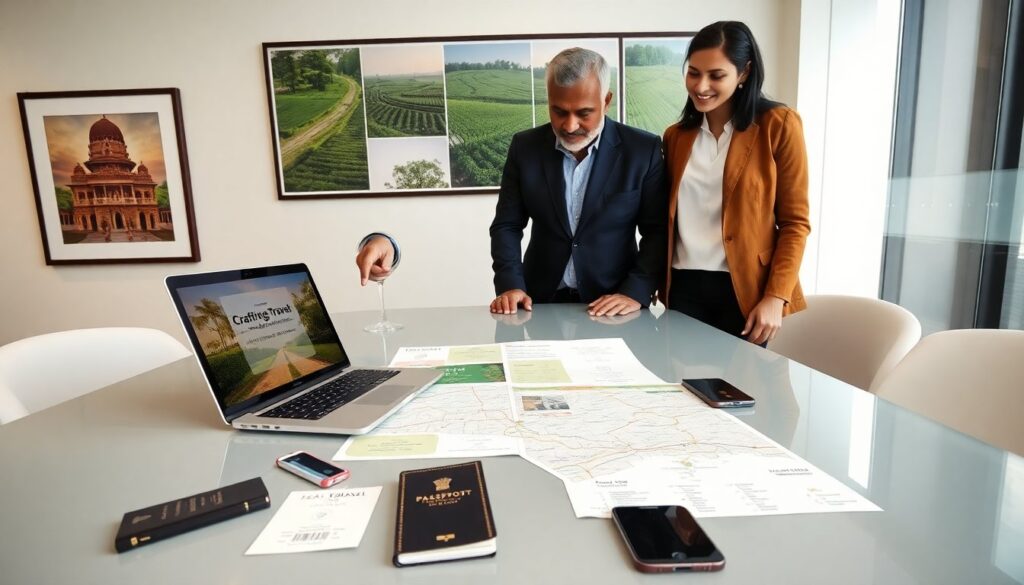
Crafting travel telugupalakkad experiences helps Telugu visitors plan clear, enjoyable trips to Palakkad. The guide lists where to go, when to visit, and what to eat. It gives short, practical tips for travel, transport, and stays. Readers learn simple steps to save time and enjoy authentic culture. The tone stays direct and useful.
Key Takeaways
- Crafting travel telugupalakkad experiences helps Telugu visitors plan authentic trips blending culture, history, and nature in Palakkad.
- Palakkad appeals to Telugu travelers due to shared language, festivals, and easy transport connections from Andhra and Telangana.
- The ideal travel period is November to February with options to reach Palakkad by train, bus, or flights through nearby airports, complemented by Telugu-friendly stays.
- A recommended 2-day itinerary covers key cultural sites, nature spots, local cuisine, and village life to maximize a short visit.
- Authentic experiences include tasting regional dishes, attending temple rituals, exploring paddy fields, and engaging with village homestays, all enhanced by Telugu-speaking guides.
- Respecting local customs and supporting fair wages enriches the travel experience and fosters meaningful connections in Palakkad.
Why Palakkad Appeals To Telugu Travelers — History, Culture, And Ease Of Access
Palakkad draws Telugu travelers for its shared history and close culture. The land sits near Andhra and Telangana. People speak Telugu in many villages and towns. The city preserves temples, forts, and old trade routes. Travelers find familiar festivals and food that ease homesickness. Palakkad lies on a main transport corridor. Trains connect major Telugu cities directly. Highways cut travel time for family trips and weekend getaways. The climate stays milder than inland Andhra in many months. Nature and paddy fields offer scenic views that Telugu visitors often enjoy. Local guides explain history in simple Telugu or mixed Tamil-Telugu. This language comfort speeds planning and enhances safety. Palakkad hosts temples like Malampuzha and ancient forts at Palakkad Fort. Pilgrims find ritual routines similar to those at home. Art forms such as folk music and dance appear at local events. Food vendors serve rice-based dishes that feel familiar. These links make Palakkad an easy choice for the first trip and repeat visits.
Planning And Logistics: When To Go, How To Get There, And Where To Stay
Telugu visitors plan trips around weather and festival schedules. The best months run from November to February when temperatures stay pleasant and rains stop. Travelers avoid heavy monsoon months unless they seek green landscapes and lower prices. They choose trains for affordability and buses for regional reach. Flights land at Coimbatore or Kochi, and travelers hire taxis for the final leg. The Palakkad railway station connects several express trains from Telugu regions. Road travel on NH544 reduces driving time from Hyderabad and Vijayawada. Travelers prefer towns such as Palakkad city, Ottapalam, and Malampuzha for central stays. Budget hotels and family-run homestays offer Telugu-friendly hosts and meals. Mid-range hotels provide English and Telugu staff on request. They book stays near main temples or park areas for easy walking. Travelers use simple apps to compare rates and read recent reviews. They reserve in advance during festival weeks to avoid full bookings.
Sample 2-Day Itinerary For Busy Travelers
Day 1: Arrive early and check in. They visit Palakkad Fort and walk the market. They eat a rice and fish lunch at a local eatery. In the afternoon they go to Malampuzha Gardens and take a boat ride. They attend a small evening temple ritual and try local sweets.
Day 2: They rise early for a short village visit outside Palakkad. They join a guided walk through paddy fields and meet farmers. They taste homemade rice preparations and tapioca dishes. They return by noon, pack, and shop for local spices or banana chips. They leave after lunch via train or taxi. This plan fits a tight schedule and hits culture, nature, and food in a short time.
Authentic Experiences To Seek In Palakkad: Food, Nature, Temples, And Village Life
Travelers focus on simple experiences that show daily life. Food stands and family kitchens serve meals that highlight rice, coconut, and local spices. Telugu visitors often enjoy dishes such as meen curry, avial, and kadala curry. They try toddy shops and sweet shops that sell pazham pori and banana chips. Nature walks give direct views of large paddy fields and small streams. Visitors hire guides to point out birds and native trees. They take short hikes in the Western Ghats foothills for clear views and quiet. Temple visits follow local routines that include prasadam and short rituals. Travelers listen to priests and ask questions. They attend small temple festivals that include processions and folk music. Village homestays let visitors experience daily chores and meal preparation. Hosts show rice planting, coconut harvesting, or jaggery making depending on season. These visits teach simple skills and create friendships that last past the trip. Markets sell handcrafted baskets, oil, and local snacks. Visitors bring those items home as useful gifts. Local drivers and guides often speak Telugu or simple English and help with plans. Travelers respect local customs by dressing modestly and asking before taking photos. They tip workers for small services and pay fairly for goods. These actions build trust and open doors to more genuine interactions.