Looking to upgrade the lighting in your home but don’t know where to start?
Ceiling lighting fixtures are one of the most important elements in interior design. They do most of the heavy lifting when it comes to setting the mood, improving functionality, and making a room look great. And here’s the thing…
The right ceiling light can make a small room feel spacious, a dark corner feel welcoming, and an ordinary space feel extraordinary.
But here’s the problem:
Most homeowners get this wrong. They choose fixtures based on style and appearance without thinking about factors like room size, ceiling height, or how the space will be used.
As a result, their rooms end up feeling either too dim or blindingly bright.
Don’t make the same mistake. In this blog post, I reveal the three most powerful strategies I use when selecting modern ceiling lights that work for every room in my clients’ homes, broken down step by step.
Let’s get started!
You’ll learn:
- Why Ceiling Lighting Fixtures Are More Important Than You Think
- Room-by-Room Lighting Selection Guide
- Key Factors to Consider When Choosing Fixtures
- Common Mistakes to Avoid
Why Ceiling Lighting Fixtures Are More Important Than You Think
Ceiling lighting is not just for illumination. It’s the foundation of how a room feels and functions.
Think about it this way…
If you have a beautifully decorated living room with the wrong lighting, the room will still look like it doesn’t work.
The colours won’t pop.
The furniture will cast strange shadows.
The whole space just won’t work the way it should.
The numbers back this up. According to Grand View Research, the ceiling segment held a 38% share in the residential lighting fixtures market in 2023. This dominance isn’t by accident. Homeowners have discovered that ceiling fixtures deliver the most bang for the buck.
But there’s another benefit to consider…
Energy efficiency. According to the U.S. Department of Energy, LED ceiling fixtures can use up to 75% less energy than traditional incandescent lighting and last up to 25 times longer. That’s real savings on electricity bills year after year.
Room-by-Room Lighting Selection Guide
Each room in a home has different lighting needs. A fixture that works in the kitchen will look completely out of place in the bedroom. Let’s look at the best approach for each space in the home.
Lighting for Living Rooms
A living room needs versatile lighting.
A living room is where families relax, entertain guests, and watch TV. A single light fixture rarely works well in these spaces. The best lighting for living rooms combines ambient ceiling lighting with accent and task lights.
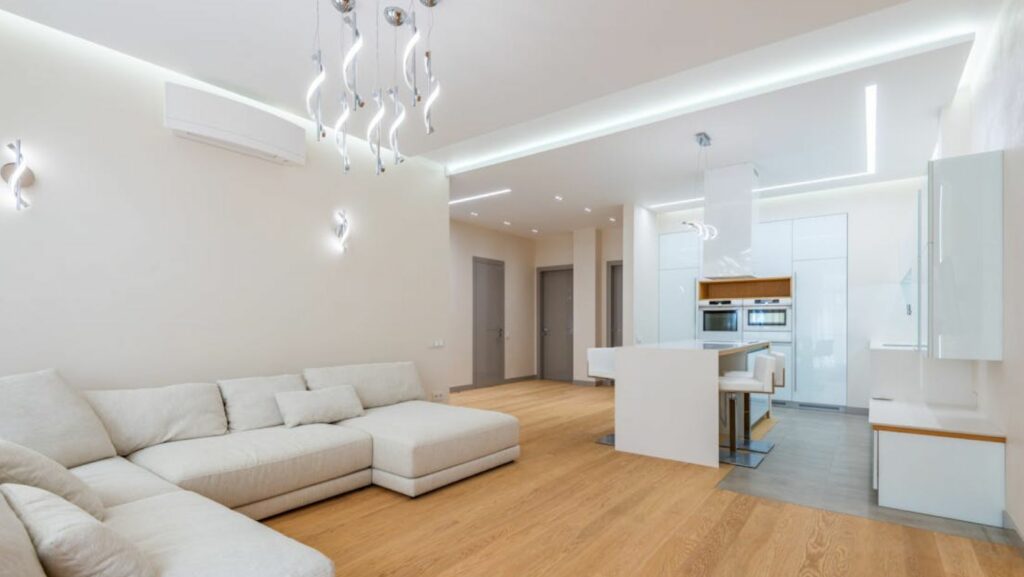
Choose chandeliers and statement pendant lights as the focal points. They make the space visually interesting and provide the general illumination you need. Flush mount or semi-flush ceiling lights are the best choice for rooms with standard 8-foot ceilings, and anything hanging too low will make the space feel cramped.
Lighting for Kitchens
Kitchens require bright, focused lighting.
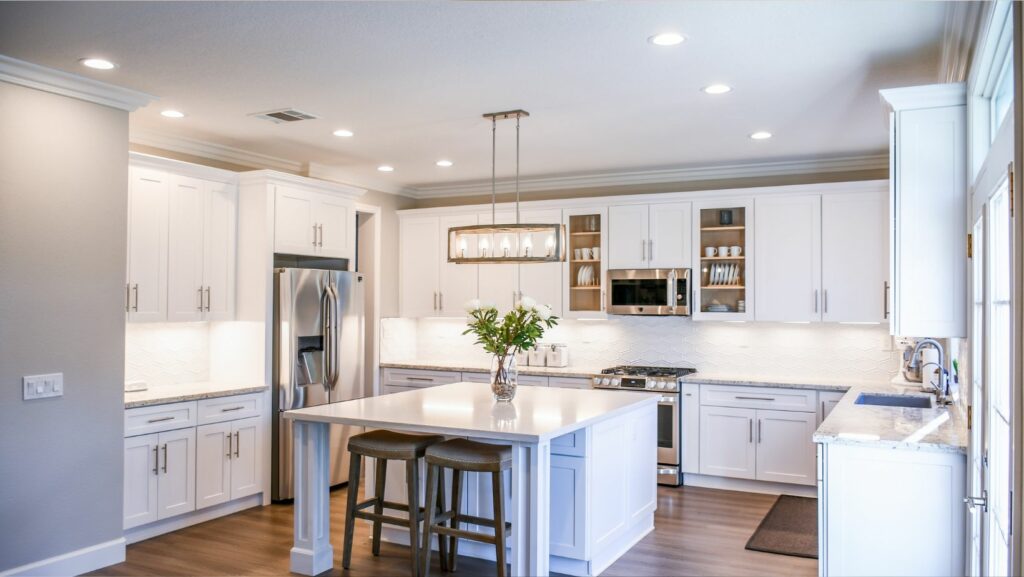
Preparing meals requires attention to detail, and poor lighting leads to accidents. Recessed ceiling lights that point down onto the work surfaces are ideal. They give the task lighting chefs need in the kitchen. Pendant lights above islands provide some style while directing illumination exactly where it’s needed.
The secret here is layering. Mix overhead fixtures with under-cabinet lighting for a kitchen that’s both functional and inviting.
Lighting for Bedrooms
Bedrooms call for softer, more relaxing lights.
Bright overhead lighting kills the restful atmosphere bedrooms are meant to provide. Flush mount ceiling lights with warm colour temperatures (2700K-3000K) give the room the cosy feeling that helps people sleep better.
Dimmer switches are a must. The ability to dial up or down the brightness from the light required when reading to a soft ambient glow makes all the difference in creating a relaxing retreat.
Lighting for Bathrooms
Bathrooms need moisture-rated ceiling lights.
Lighting in the vanity area requires shadow-free illumination for grooming. Recessed ceiling lights at the right angles and heights help to prevent those unflattering shadows that make getting ready in the mornings a frustrating process.
Always ensure that bathroom lighting fixtures are rated for damp or wet locations, depending on their proximity to showers and bathtubs.
Key Factors to Consider When Choosing Fixtures
Here are some important factors to consider before purchasing any ceiling lighting fixture.
Ceiling height matters. Standard 8-foot ceilings work best with flush or semi-flush ceiling mounts. Anything that hangs too low will make the room feel cramped and present potential hazards. Rooms with 9-foot ceilings and higher can accommodate chandeliers and longer pendant drops.
Room size determines the scale of fixtures. A tiny chandelier in a large dining room will look lost. An oversized pendant in a narrow hallway will overwhelm. Measure the room, and match the fixture size to the proportions of the space.
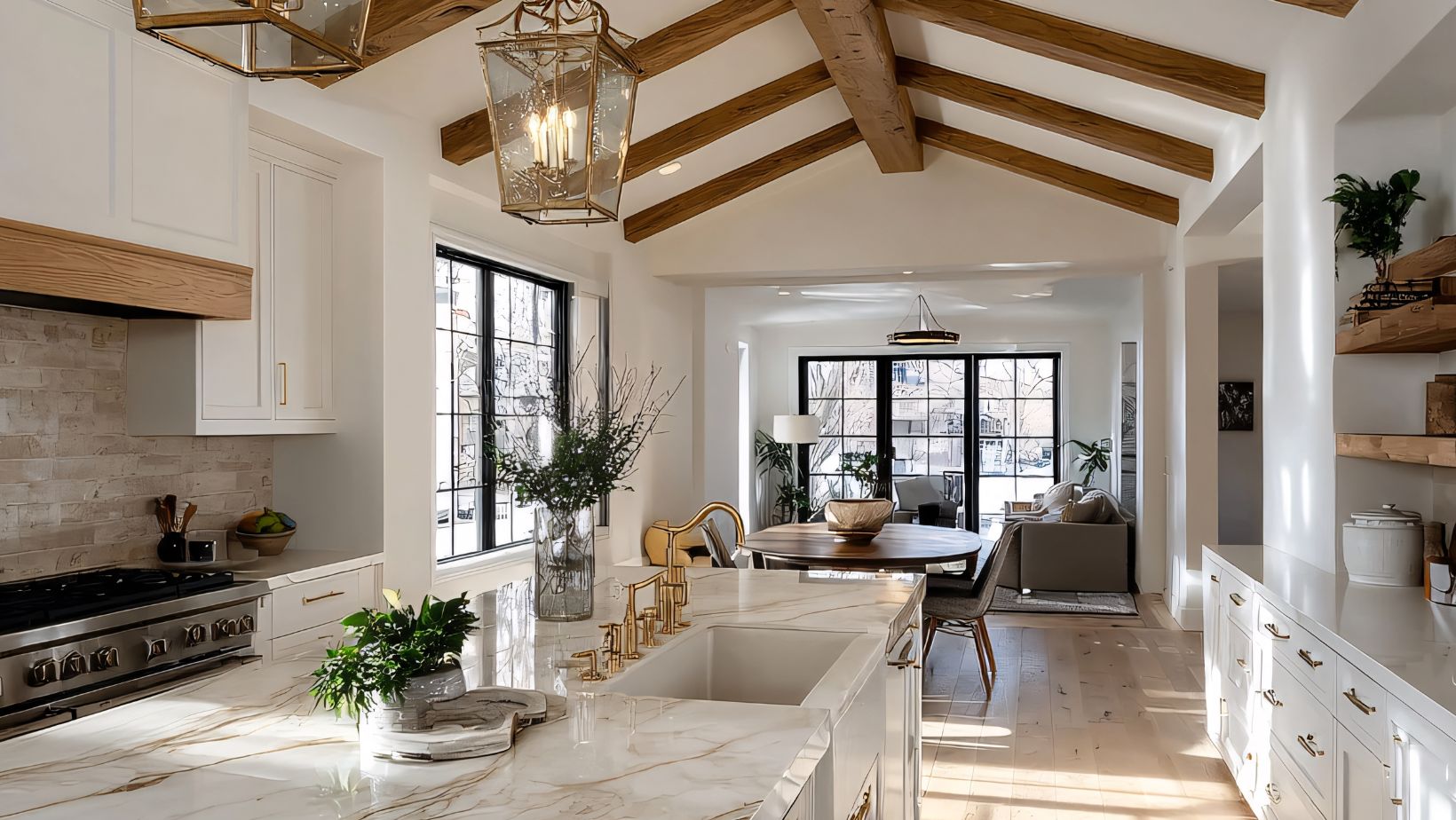
Light output requirements vary. Kitchens and home offices need brighter light (around 50-75 lumens per square foot). Living rooms and bedrooms work well with softer lighting (around 20-40 lumens per square foot).
Colour temperature sets the mood. Warm whites (2700K-3000K) are best for living spaces that need relaxation. Cool whites (4000K-5000K) are better for task-oriented areas. Get this wrong, and the entire room will feel “off”.
Common Mistakes to Avoid
Even with the best intentions, homeowners often make these mistakes when it comes to choosing ceiling lighting.
Choosing style over function. A beautiful ceiling light fixture that provides inadequate light is no better than a dark room. Balance aesthetics and performance.
Ignoring existing décor. Sleek modern ceiling fixtures clash with traditional interiors. Ornate Victorian chandeliers look odd in contemporary spaces. The ceiling light fixture should complement the room’s overall design language.
Forgetting about installation requirements. Some ceiling lights need specific electrical boxes or extra structural support. Check the requirements before buying to avoid installation headaches.
Overlooking smart lighting compatibility. Smart home integration is becoming more popular. Selecting ceiling light fixtures compatible with smart bulbs or built-in smart features gives flexibility for future upgrades.
Conclusion
Choosing the perfect ceiling lighting fixtures doesn’t have to be complicated. When you take it room by room and have clear priorities, it becomes simple.
In a nutshell, the approach I shared above involves:
- Assessing each room’s primary function and lighting needs
- Considering ceiling height and room proportions
- Balancing aesthetics and practical performance
- Selecting the appropriate colour temperature for each space
- Checking installation requirements before purchase
The right ceiling lighting makes ordinary rooms feel as if they were intentionally designed. It’s one of those home improvements that subtly but significantly changes how people feel every day.
Take the time to do it right. Proper ceiling lighting is an investment that will pay off every time someone walks into a room and feels exactly what was intended.