
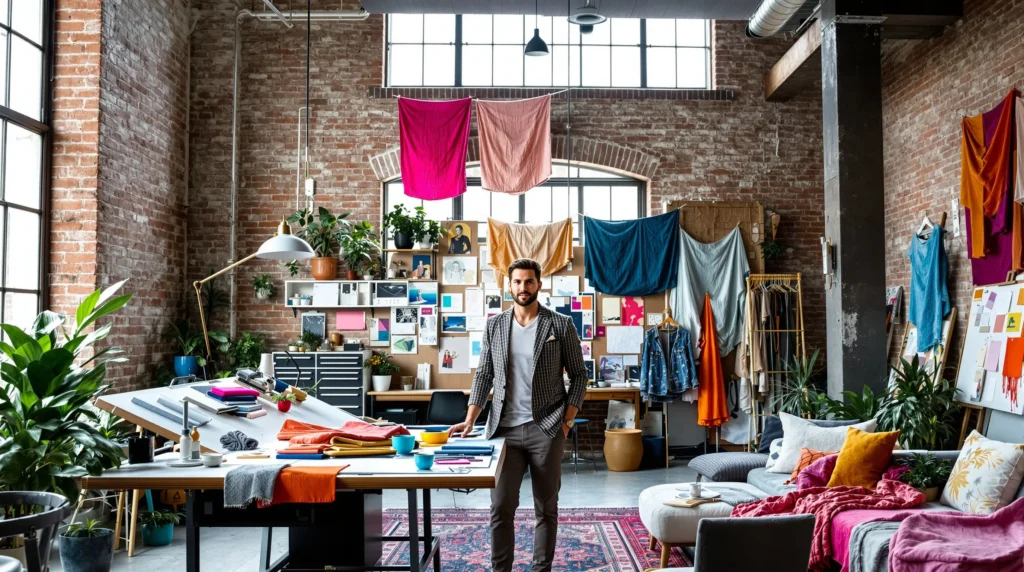
Picture this: Sunlight pours through tall, industrial windows, painting streaks of gold across a floor scattered with fabric swatches, paint jars, and half-finished sketches. The air hums with the low thrum of creativity. This isn’t a scene from a movie—it’s a regular morning in one of the city’s textile lofts. If you’ve ever wondered where artists and designers find the space to dream big and make a mess, textile lofts are the answer. They’re not just workspaces; they’re creative havens where ideas take shape and boundaries disappear.
What Makes Textile Lofts So Special?
Textile lofts aren’t your average studios. They’re usually found in old factories or warehouses, places with history in their bones. High ceilings, exposed brick, and wide-open floors give you room to breathe—and to spread out your wildest projects. If you’ve ever tried to sew a ten-foot tapestry in a cramped apartment, you know why this matters.
But here’s the part nobody tells you: textile lofts aren’t just about space. They’re about energy. When you walk into a loft buzzing with other creators, you feel it. The air crackles with possibility. You see someone screen-printing in one corner, another person weaving on a massive loom, and suddenly your own ideas start to grow legs.
Who Thrives in Textile Lofts?
Textile lofts attract a certain kind of person. If you love working with your hands, if you need to see your materials spread out in front of you, if you crave both solitude and community, you’ll fit right in. These spaces are magnets for:
- Textile artists who dye, print, or weave fabric
- Fashion designers sketching and sewing new collections
- Interior designers sourcing unique materials
- Quilters, embroiderers, and fiber artists
- Small-batch manufacturers and indie brands
But textile lofts aren’t for everyone. If you need total silence, or if you’re allergic to dust and the occasional paint splatter, you might struggle. These spaces are alive, sometimes messy, and always in motion.
The Surprising Benefits of Working in Textile Lofts
Let’s break it down. Why do so many creative people swear by textile lofts?
- Space to experiment: You can lay out yards of fabric, set up multiple machines, or even build a set for a photoshoot. No more bumping into your kitchen table.
- Community support: Need advice on a tricky dye technique? Someone down the hall probably knows. Textile lofts are full of people who get it.
- Inspiration everywhere: When you see what others are making, you push yourself further. You might even collaborate on something unexpected.
- Professional credibility: Clients and buyers take you more seriously when you have a dedicated studio. Textile lofts give you that edge.
Here’s why this matters: Creativity isn’t just about talent. It’s about environment. The right space can turn a good idea into a finished masterpiece.
What to Look for in a Textile Loft
Not all textile lofts are created equal. If you’re hunting for your own, keep these details in mind:
- Light: Natural light is a game-changer for color work. Look for big windows and southern exposure if you can get it.
- Ventilation: Dyeing and painting can get smelly. Good airflow keeps you healthy and happy.
- Power: Industrial sewing machines and irons need serious outlets. Check the wiring before you sign anything.
- Security: You’ll probably leave expensive tools and materials overnight. Make sure the building is safe.
- Community vibe: Visit at different times. Are people friendly? Do they share resources? Trust your gut.
If you’ve ever signed a lease and regretted it, you know how important these details are. Don’t rush. The right textile loft is out there.
Real Stories: Life Inside Textile Lofts
Let’s get personal. I once met a weaver named Sam who moved into a textile loft after years of working from her living room. She told me, “I thought I needed quiet, but what I really needed was to see other people making things. Now, when I get stuck, I just walk down the hall and ask for help.”
Another designer, Priya, shared how her first big order came from a chance meeting in the shared kitchen. “I was microwaving soup, and someone asked about the fabric I was carrying. Two weeks later, I was making custom pillows for their boutique.”
These aren’t rare stories. Textile lofts are full of moments like this—unexpected connections, creative breakthroughs, and the kind of support you can’t find working alone.
How to Make the Most of Your Textile Loft
Ready to move in? Here are some tips to help you thrive:
- Set boundaries: It’s easy to get distracted. Block out time for focused work, but leave space for spontaneous chats.
- Share resources: Pooling tools and supplies saves money and builds trust.
- Host open studios: Invite the public in. You’ll get feedback, make sales, and maybe even land a new client.
- Document your process: Take photos, jot notes, and share your journey. People love seeing how things are made.
Here’s the secret: The more you give to the community, the more you get back. Textile lofts work best when everyone pitches in.
Is a Textile Loft Right for You?
If you’re tired of working alone, if you crave space and connection, textile lofts might be your next big move. But if you need total control over your environment, or if you’re not ready to share, you might want to start smaller. There’s no shame in that. The best creative spaces are the ones that fit your life right now.
Textile lofts aren’t just places to work—they’re places to grow. If you’re ready to take your art or design to the next level, step inside. You might be surprised by what you find.