
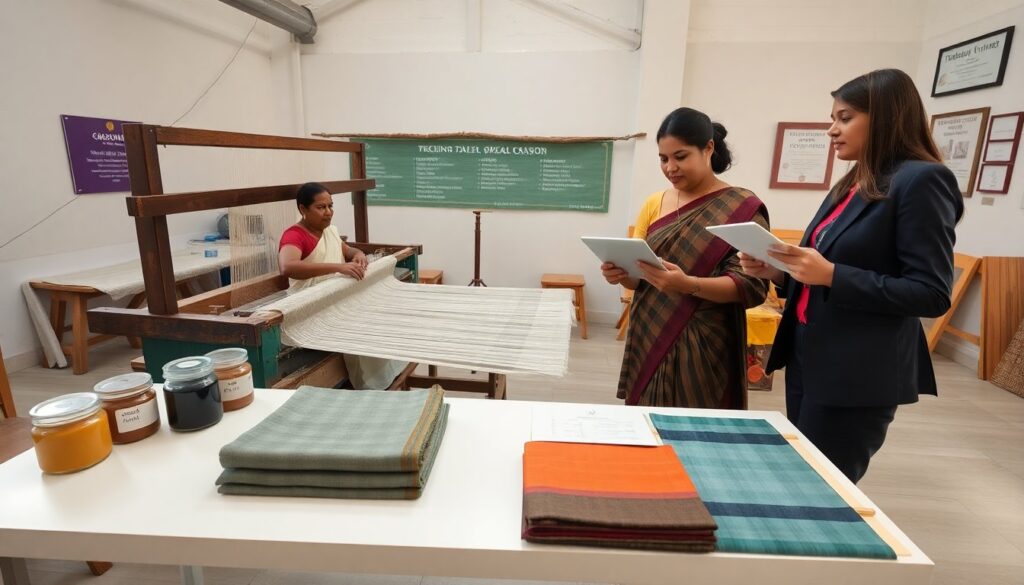
Telugupalakkad fashion and textiles describe a living craft in southern India. The region blends handloom skill with village workshops. Local families keep weaving traditions alive. Visitors and designers study patterns, dyes, and fabric care. The guide explains origins, materials, buying options, and care. It gives clear steps to support artisans and keep fabrics lasting.
Key Takeaways
- Telugupalakkad fashion and textiles represent a rich, living tradition blending handloom skills and village workshops, preserving local identity and cultural heritage.
- Artisans primarily use cotton and silk blends with techniques like Ikat and hand-embroidery, focusing on quality, durability, and distinctive motifs such as temple towers and mango shapes.
- Consumers should support authentic Telugupalakkad handlooms by purchasing from cooperative shops, directly from weavers, or certified platforms to ensure fair artisan compensation.
- Proper care for Telugupalakkad fabrics includes gentle washing, avoiding harsh chemicals, air-drying in shade, and careful storage to extend fabric life and maintain colors.
- Collectors and buyers are encouraged to document maker details and purchase dates for provenance and access repair or reweaving services offered by cooperatives, sustaining the craft community.
The Cultural and Historical Roots Of Telugupalakkad Fashion
Telugupalakkad fashion and textiles grew from agrarian village life and temple patronage. Craftspeople passed skills from parent to child. They used simple tools and local cotton. Traders moved cloth along river and road networks. British-era demand shifted some production toward mills, but handloom kept local identity. Folk stories and temple festivals shaped motifs and color choices. Artisans used natural dyes at first. They later adopted synthetic dyes for brighter palettes and faster output. Social rituals set standards for sarees, dhotis, and shawls. Families wore certain patterns for marriage and harvest rituals. Local schools and NGO projects later taught design drafting and basic business skills. Those programs helped younger makers combine heritage skills with new patterns. Museums and state archives preserve sample swatches and ledger notes. Scholars trace motifs to neighboring districts and to trade links with coastal ports. The result forms a living textile history that artisans continue to make and sell today.
Key Textiles, Materials, And Local Techniques
Weavers in Telugupalakkad favor cotton and silk blends. They pick cotton for daily wear and silk for ceremonial pieces. Yarn counts vary by purpose. Coarser yarn serves household cloth. Fine yarn produces lightweight sarees. Dyers use vat and tie-dye methods for certain patterns. Spinners still hand-spin in some villages. Craftspeople use pit looms and pedal looms depending on the workshop size. They apply extra weft for decorative borders. Small workshops add hand-embroidered accents after weaving. The community values tight selvedge and even tension in every length of cloth. Traders grade cloth by thread count and finish. Buyers find plain, checked, and striped patterns, plus woven borders with simple iconography. Those choices suit both daily wear and small celebrations.
Spotlight: Signature Sarees, Motifs, And Weaving Methods
Artisans weave signature sarees that show local identity. A common saree shows a plain body with a heavy border and a contrasting pallu. Motifs include temple towers, mango shapes, and small palmettes. Weavers place motifs in the border or repeat them across the pallu. The Ikat technique appears in some designs, where artisans resist-dye yarn before weaving. The result gives soft, blurred patterns. Plain weave and twill weave remain the structural choices. Weavers sometimes add gold or silver zari for festive sarees. They rarely use dense sequins or heavy machine work. Local methods emphasize hand control and small-batch quality. That approach keeps each piece readable and durable.
Where To Buy, Support Local Artisans, And Care For Fabrics
Shoppers find Telugupalakkad fashion and textiles at village markets, cooperative shops, and regional exhibitions. They also find pieces in urban craft fairs and online artisan platforms. Buyers who want authentic handloom should ask about loom type, dye source, and maker name. They should look for uneven selvedge and small irregularities as signs of handwork. Fair-price shops and cooperatives pay artisans a set rate. Tourists may buy directly from weavers to increase artisan income.
To support artisans, consumers may join certified cooperative schemes or donate to training programs that teach design and business skills. They may also commission a piece and pay a deposit. That action gives artisans steady orders and income.
Care extends fabric life and preserves color. For cotton sarees, one should wash in cold water with mild soap. For silk or silk-blend sarees, one should dry-clean or hand-wash in cold water with gentle detergent. People should avoid harsh bleach and strong machine cycles. They should air-dry in shade and iron on the reverse side at medium heat. For storing, they should fold sarees with acid-free paper between layers and keep them in a cool, dry chest. They should refold pieces every six months to prevent crease damage and fabric stress.
Collectors should label purchase date and maker details. That note helps prove provenance and supports artisan recognition. Buyers who report problems should return to the seller and describe the issue. Most cooperatives offer a repair or reweaving option at modest cost. Repair services help extend the life of handloom garments and keep money flowing back to craft communities.