
Ever wondered if your IP address is having a midlife crisis? Spoiler alert: 111.90.150.504 isn’t just a random jumble of numbers. It’s like the social security number for your computer: without it, your device can’t even think about connecting to the internet. In today’s digital age, understanding what an IP address is and how it works is as vital as knowing how to turn on your computer. Hang tight as we jump into the intriguing realm of IP addresses, their types, and what exactly makes 111.90.150.504 tick.
111.90.150.504
Types of IP Addresses
Understanding the different types of IP addresses can help troubleshoot connectivity issues and understand internet navigation better. IP addresses generally come in two main forms: static and dynamic.Static IP Addresses
Static IP addresses don’t change. They serve as a permanent address and are ideal for hosting websites or remote access applications. These addresses ensure consistent access to servers, making it easier for users to locate them. Businesses often use static IPs for servers, providing reliability and ease of management.Dynamic IP Addresses
On the other hand, dynamic IP addresses are temporary and can change. Most home networks use dynamic addressing through a DHCP server, reducing the need for manual configuration. This flexibility simplifies network management and provides users increased privacy.Public and Private IP Addresses
Besides, addresses can also be categorized into public and private. Public IPs are visible on the internet, while private addresses are used within private networks, offering a layer of security and organization.Decoding IP Address: 111.90.150.504
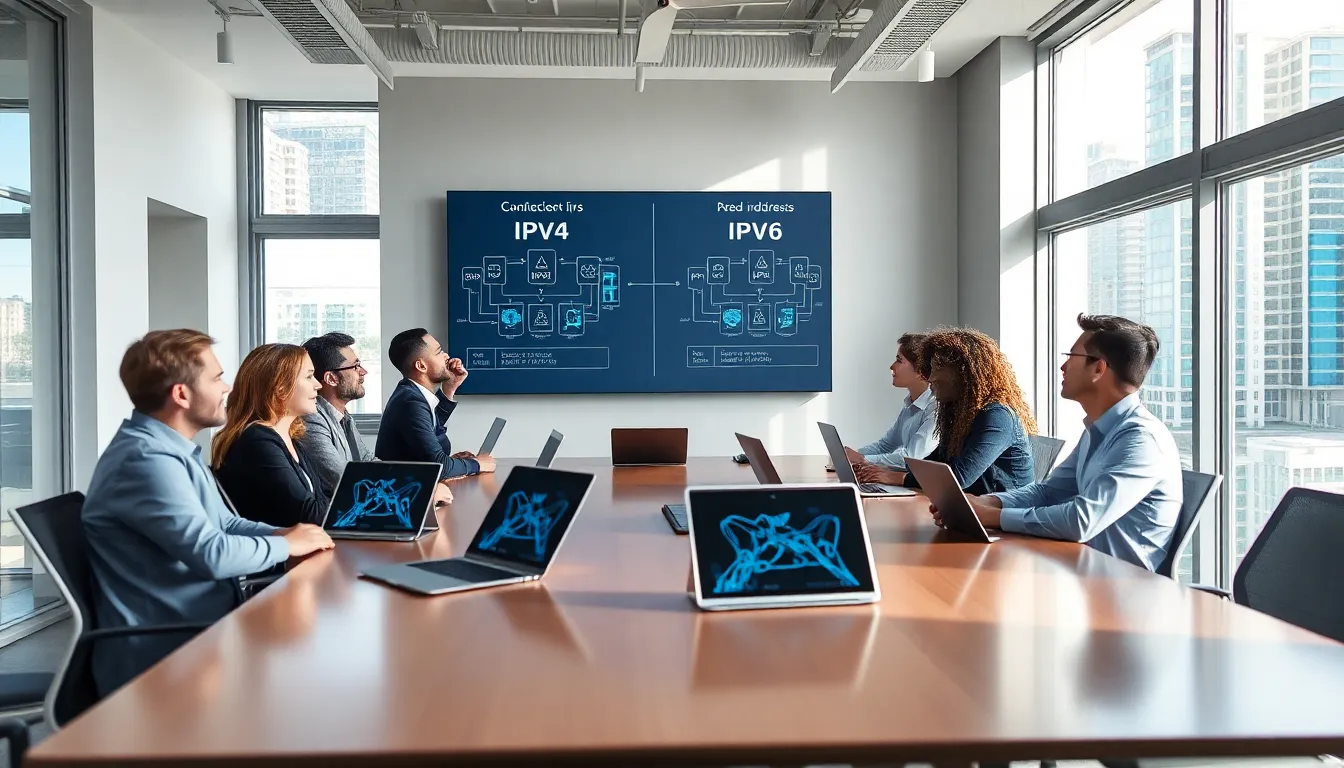
Now, let’s focus on the IP address in question: 111.90.150.504. At first glance, it may seem just another IP in the long digital landscape. But, it is pivotal to understand its significance. This address falls under the IPv4 category, consisting of four segments of numbers. The segments range from 0 to 255, mapping directly to various classifications of networks and devices. But where does 111.90.150.504 specifically fit? A quick look at geolocation databases reveals that this IP is likely allocated to an Internet Service Provider (ISP) operating from a specific country. Knowing the geolocation can help identify where the data packets are traveling from, giving better control over data management and device connectivity.Common Issues with IP Addresses
Even though the vital role IP addresses play, they are not without problems. Users often face issues such as IP conflicts, unauthorized access, and even connectivity failures. One common issue arises when two devices inadvertently share the same IP address. This conflict can lead to unstable connections and interruptions, making troubleshooting essential. Another notable concern revolves around unauthorized access. Cyber attackers might exploit vulnerabilities, making it crucial for users to understand their IP address setup. Besides, network misconfigurations can trigger connectivity problems, further complicating general internet usability.How to Troubleshoot IP Address Problems
Troubleshooting IP address issues can seem daunting, but it doesn’t have to be. Here are several steps that unblock those frustrating connectivity problems:-
- Reboot Your Device: Often, a simple restart can resolve many network problems by renewing the device’s IP address.
-
- Check for Conflicts: Use the command prompt to detect if other devices on the network are sharing the same address. Commands like
ipconfigcan verify these details.
- Check for Conflicts: Use the command prompt to detect if other devices on the network are sharing the same address. Commands like
-
- Reset Network Settings: Sometimes, resetting your network settings to their default can resolve persistent problems.
-
- Update Driver Software: Ensure that your network adapter drivers are up to date. Manufacturers frequently release updates that enhance compatibility and performance.
-
- Consult Your ISP: If issues persist, don’t hesitate to contact your Internet Service Provider. They might provide insights or apply necessary fixes from their end.